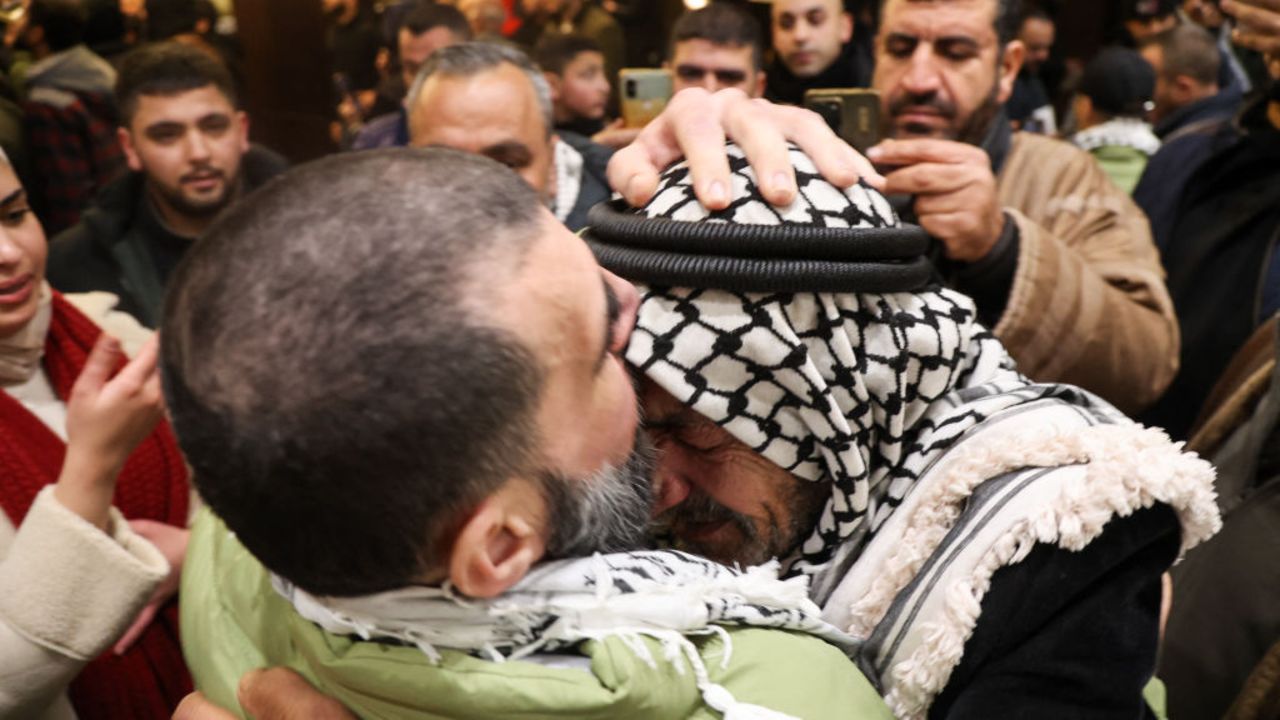

On March 2, 2025, tensions in the Gaza Strip escalated considerably following the Israeli government’s decision to halt the entry of humanitarian aid into the Palestinian territory. This action was taken after Hamas declined an offer to prolong the initial phase of the ceasefire, raising international concerns and worsening the humanitarian crisis in the area.en.
El 2 de marzo de 2025, las tensiones en la Franja de Gaza se intensificaron significativamente tras la decisión del gobierno israelí de suspender la entrada de ayuda humanitaria al territorio palestino. Esta medida se produjo después de que Hamás rechazara una propuesta para extender la primera fase del alto el fuego, lo que ha generado preocupación internacional y ha exacerbado la crisis humanitaria en la región.es.
Contexto del Alto el Fuego y Negociaciones Fallidas
The extension proposal, presented by the U.S. special envoy Steve Witkoff, asked Hamas to release half of the hostages still held captive, with the promise of releasing the remainder upon reaching a final agreement. The Israeli government, headed by Prime Minister Benjamin Netanyahu, agreed to this proposal. However, Hamas rejected it, demanding a complete withdrawal of Israeli troops from Gaza and the commencement of the territory’s reconstruction before considering the release of more hostages.
Halting Humanitarian Aid and International Responses
In reaction to Hamas’s refusal, Israel declared an immediate halt to the entry of goods and humanitarian supplies into Gaza. Prime Minister Netanyahu warned that there would be «further consequences» if Hamas continued to hold the hostages.en.
En respuesta al rechazo de Hamás, Israel anunció la suspensión inmediata de la entrada de bienes y suministros humanitarios a Gaza. El primer ministro Netanyahu advirtió que habría «consecuencias adicionales» si Hamás continuaba reteniendo a los rehenes.
Esta decisión ha sido condenada por diversas organizaciones internacionales. Oxfam calificó la medida como una violación del derecho internacional humanitario, destacando que la población civil de Gaza depende en gran medida de la ayuda externa para satisfacer sus necesidades básicas. La suspensión de la ayuda agrava una situación ya crítica, con informes de escasez de alimentos, agua y suministros médicos esenciales.
Reacciones de Hamás y la Comunidad Internacional
The international community has voiced its concern about the mounting tensions. The UN and various NGOs have urged both parties to uphold the ceasefire and ensure unrestricted access to humanitarian aid for Gaza’s civilian population. The disruption of essential assistance could lead to a humanitarian catastrophe in the region, impacting hundreds of thousands of people.
Humanitarian Situation in Gaza
The situation in Gaza was already dire before the aid suspension. The territory’s infrastructure has been severely damaged by years of conflict, and the population faces daily challenges in accessing basic services such as clean water, electricity, and healthcare. The recent interruption of aid exacerbates these difficulties, endangering the lives and well-being of countless civilians.
La situación en Gaza ya era precaria antes de la suspensión de la ayuda. La infraestructura del territorio ha sido gravemente dañada por años de conflicto, y la población enfrenta desafíos diarios para acceder a servicios básicos como agua potable, electricidad y atención médica. La reciente interrupción de la ayuda exacerba estas dificultades, poniendo en riesgo la vida y el bienestar de innumerables civiles.
Future Prospects and Calls to Action
Perspectivas Futuras y Llamados a la Acción
Meanwhile, humanitarian organizations continue to advocate for unrestricted access to Gaza and the adherence to international humanitarian law. The protection of civilians and the provision of essential assistance must be prioritized in any future negotiations or agreements.en.
Mientras tanto, las organizaciones humanitarias continúan abogando por el acceso sin restricciones a Gaza y por el respeto al derecho internacional humanitario. La protección de los civiles y la provisión de asistencia esencial deben ser prioridades en cualquier negociación o acuerdo futuro.
La situación en Gaza sigue siendo volátil y requiere atención y acción inmediatas por parte de la comunidad internacional para prevenir una catástrofe humanitaria y promover una resolución pacífica del conflicto.