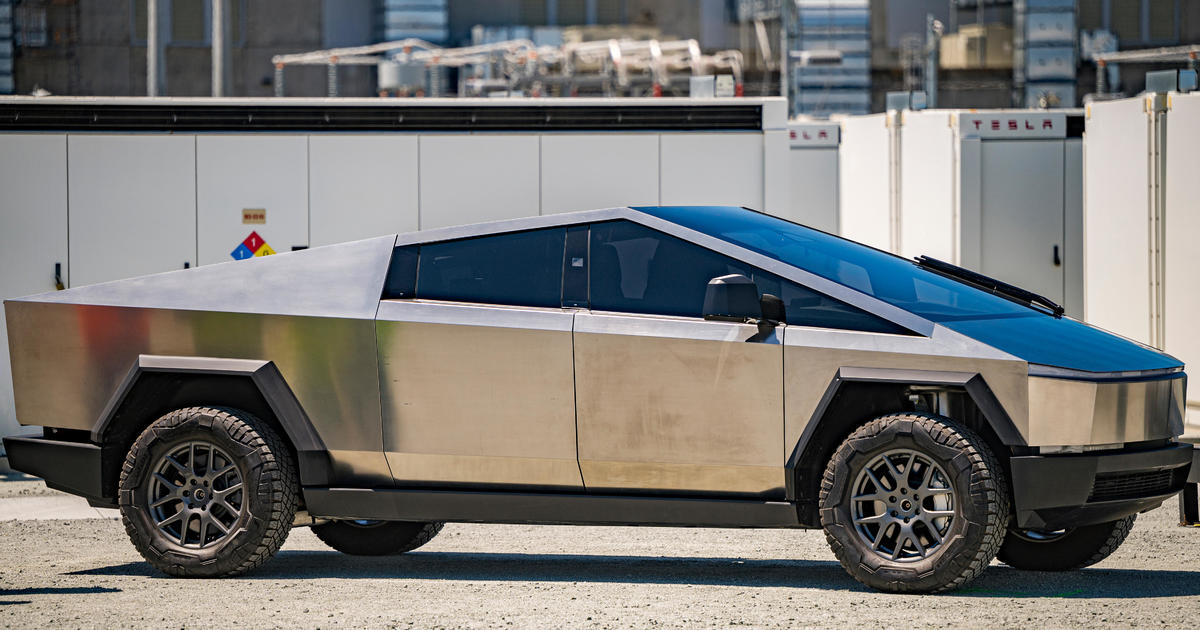

When Tesla initially unveiled the Cybertruck, it generated a massive surge of interest, intrigue, and discussion. The vehicle’s avant-garde design, ambitious commitments, and the well-known standing of Elon Musk along with Tesla, merged to generate an extraordinary level of buzz seldom observed in the car sector. Numerous people imagined the Cybertruck as a pioneering presence in the fiercely competitive realm of pickup trucks, set to challenge conventional manufacturers and transform our perception of work vehicles. However, in spite of this early enthusiasm, the Cybertruck has faced challenges in living up to the anticipated success and broad appeal many foresaw.
Several factors help explain why the Cybertruck’s journey from concept to reality has been marked by setbacks, delays, and a tepid reception from the broader market.
One of the most immediately noticeable aspects of the Cybertruck is its design. With sharp geometric lines, a stainless-steel exterior, and an angular silhouette, the Cybertruck looks unlike anything else on the road. While some praised its bold departure from conventional aesthetics, many potential buyers and automotive enthusiasts found the design off-putting or impractical. The unconventional look, though intended to signal innovation, may have inadvertently limited its appeal to a niche audience rather than the mainstream truck-buying public.
Design preferences aside, practical factors have also significantly influenced the reduced excitement surrounding the Cybertruck. Pickup vehicles are valued for their adaptability, strength, and capability to manage various tasks, such as towing and off-road excursions. For numerous conventional truck enthusiasts, the Cybertruck’s unproven performance in everyday situations, along with its atypical size, generated doubts about its ability to genuinely rival well-known models from Ford, Chevrolet, and Ram.
Adding to these concerns are the production delays that have plagued the Cybertruck since its unveiling. Originally announced with ambitious timelines, the vehicle has faced repeated postponements, with Tesla citing supply chain challenges, design adjustments, and manufacturing complexities. These delays have not only frustrated eager customers but have also allowed competitors to strengthen their own electric truck offerings, such as the Ford F-150 Lightning and Rivian R1T, both of which have gained market traction.
Another key issue lies in the Cybertruck’s pricing. Early announcements suggested that the vehicle would be competitively priced, making it an accessible option for a broad range of consumers. However, as production neared, it became clear that the actual price points would be significantly higher than initially projected. This shift in affordability has likely alienated some prospective buyers who were drawn to the idea of an electric truck but found the costs prohibitive.
The electric vehicle (EV) landscape itself has also evolved since the Cybertruck was first introduced. When Tesla revealed the concept in 2019, the EV market for trucks was virtually non-existent. Fast forward to today, and the field has become much more crowded, with legacy automakers and new players alike introducing electric pickups that combine familiar styling with cutting-edge technology. This growing competition has made it harder for the Cybertruck to stand out purely on novelty.
Consumer choices within the truck category often vary greatly compared to the passenger car industry, a market where Tesla has traditionally succeeded. Individuals purchasing trucks frequently value practicality, dependability, and durability more than cutting-edge design and advanced technology. Although Tesla’s name is associated with groundbreaking technology and efficiency in the electric vehicle sector, it has faced challenges in adapting that image to the conventionally traditional and brand-loyal truck sector.
Additionally, the Cybertruck’s extensive dependence on experimental materials, including its stainless-steel exterior, posed fresh obstacles in manufacturing and safety evaluations. Producing large quantities with these materials differs significantly from creating prototype models or limited editions. Sources have suggested that modifying production lines and meeting safety standards have resulted in persistent delays and unpredictability.
Another aspect that has influenced the Cybertruck’s underwhelming performance is the broader macroeconomic environment. Economic uncertainty, inflation, and shifting consumer spending patterns have made high-ticket items like luxury electric trucks less of a priority for many buyers. Additionally, fluctuations in energy prices, debates over charging infrastructure, and lingering concerns over battery range have added to the hesitation among potential customers.
The importance of how the public perceives and the way media reports on the subject should not be ignored. At first, the unveiling of the Cybertruck was met with a mix of eagerness and confusion, but as years have passed, the public’s thrill has gradually faded. Negative news about delays, failure to meet deadlines, and the occasionally contentious social media activity of Tesla’s CEO have also contributed to the decline in the vehicle’s previously glowing reputation.
Although there have been challenges, it’s essential to recognize that the Cybertruck’s journey is ongoing. Tesla has consistently shown the ability to persevere amid criticism and skepticism. The company’s past is filled with instances of overcoming early doubts, as demonstrated by the success of the Model S and Model 3, which thrived despite facing initial obstacles.
For the Cybertruck to achieve a similar turnaround, Tesla will likely need to address several key challenges: delivering on production commitments, refining the design for broader appeal, ensuring competitive pricing, and providing the kind of reliability and performance that traditional truck buyers expect. Additionally, as infrastructure for electric vehicles continues to expand and battery technology improves, some of the current barriers to adoption may naturally diminish over time.
The influence of governmental strategies and environmental rules might also affect the potential outlook of the Cybertruck. As nations advance toward more sustainable transportation and enforce more rigorous emissions regulations, electric trucks could become more appealing not only as options but as essential choices for specific consumers and sectors.
Ultimately, the lukewarm response to the Cybertruck underscores the intricate dynamics involved in launching an entirely novel idea within a well-established industry. Simply innovating doesn’t always ensure triumph, especially when consumers’ anticipations are strongly based on tradition and functionality. The Cybertruck embodies a daring outlook for future transportation, yet converting that outlook into broad acceptance necessitates close consideration of market realities, consumer habits, and the challenges posed by competitors.
Though it’s premature to completely dismiss the Cybertruck, its path up to now underscores the idea that even the boldest innovations may struggle without proper execution, timing, and market fit. Whether Tesla can adjust, evolve, and ultimately deliver on the initial promises of the Cybertruck continues to be one of the more captivating inquiries in the dynamic realm of electric vehicles.
In light of the automotive sector’s ongoing shift towards sustainability and electric vehicles, the experiences gathered from the Cybertruck’s obstacles might shape not only Tesla’s upcoming creations but also the wider approaches of businesses aiming to transform transportation. At present, nonetheless, the Cybertruck serves as a reminder of how ambition and actuality can occasionally differ, even for the most acclaimed creators.




.jpg "Comunidades de Playa Dorada 13")