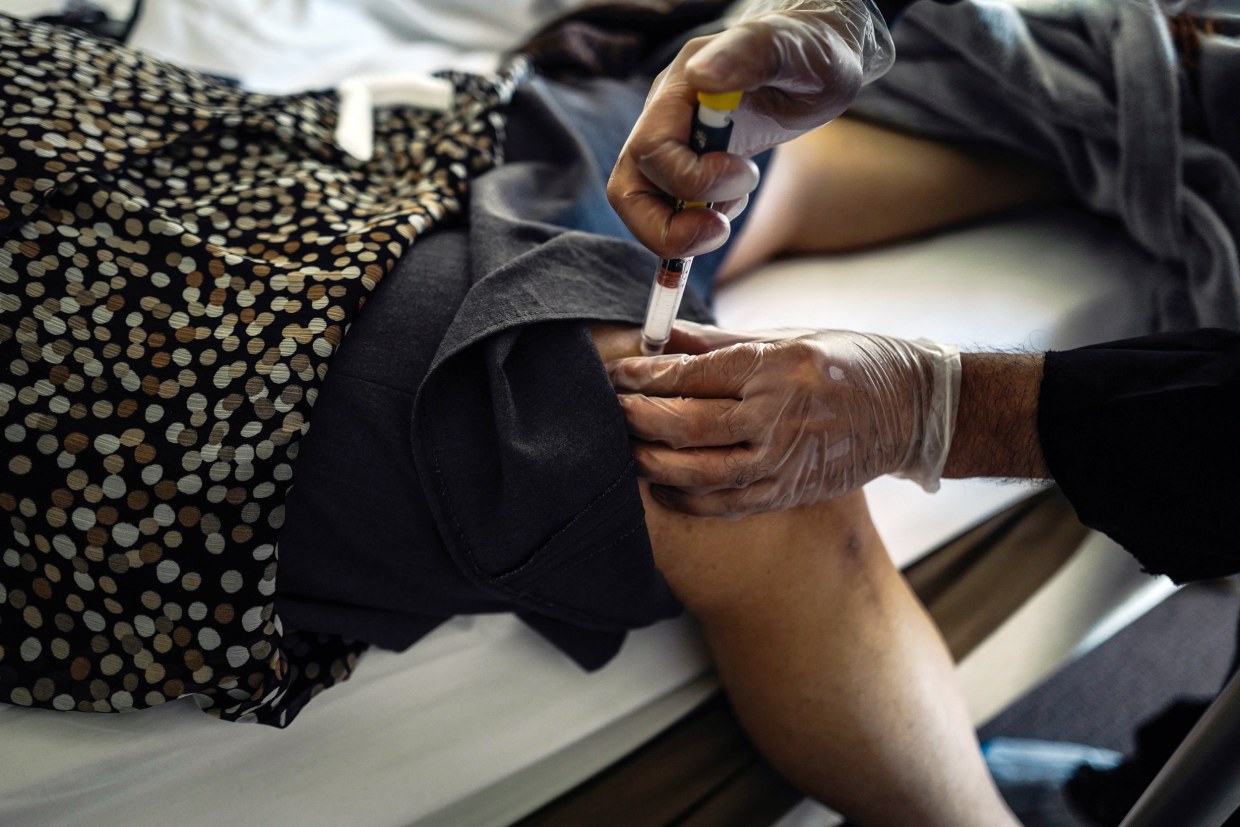

A recent recall of injected penicillin has raised alarms among public health officials, medical professionals, and community organizations dedicated to controlling sexually transmitted infections. The recall, which affects a specific batch of injectable penicillin used primarily to treat syphilis, could undermine recent progress in combating a disease that has seen a troubling resurgence in recent years.
Penicillin G benzathine, widely recognized by the brand name Bicillin L-A, is the premier treatment for syphilis, especially in expectant women, where it serves an essential function in thwarting congenital syphilis—a condition transmitted from the mother to the infant during pregnancy. The safety and efficacy of this injectable antibiotic establish it as the preferred therapy advocated by international health agencies, such as the World Health Organization (WHO) and the Centers for Disease Control and Prevention (CDC).
The current recall, initiated due to potential issues in product sterility or packaging integrity, has disrupted supply chains at a crucial time. In recent years, many regions—including several U.S. states—have experienced a spike in syphilis cases. The availability of reliable penicillin has been instrumental in responding to these outbreaks. Now, with supplies limited, some healthcare providers are struggling to maintain treatment protocols, especially in community clinics and rural areas that rely heavily on public health programs.
Although there are other antibiotics available, they don’t match the overall effectiveness of injectable penicillin, especially for specific phases of the illness or for expectant mothers. For example, oral treatments need to be taken for a longer duration and may not be appropriate for every patient group. In addition, transitioning to different options can lead to logistical and compliance difficulties, particularly among at-risk groups.
Healthcare services are currently under pressure as they try to allocate the available supplies. Public health agencies have released directives that emphasize the treatment of high-risk situations, particularly for expectant individuals and those with either primary or secondary syphilis. The purpose of these actions is to lessen the most severe outcomes of untreated infections—neurological issues, heart damage, and transmission from mother to child during pregnancy.
The timing of this disruption is particularly critical. After decades of decline, syphilis has reemerged as a public health concern in many countries. In the United States, reported cases have increased dramatically in the past decade, with rates of congenital syphilis—syphilis transmitted from mother to fetus—reaching levels not seen in over 20 years. The reasons for this resurgence are multifaceted: reduced access to sexual health services, social determinants such as poverty and housing insecurity, and decreased public awareness all contribute to the trend.
Now, with the withdrawal limiting one of the most potent treatment methods, specialists caution that the advancements made recently might come to a halt or possibly regress. A number of healthcare providers worry that this hurdle could result in increased transmission rates, particularly in underprivileged areas where timely medical access is already restricted.
Due to the recall, health organizations are securing different supplies and optimizing distribution in the most impacted regions. Producers are also being urged to swiftly address quality control challenges and restart production. Meanwhile, medical professionals are advised to examine the revised treatment guidelines and prioritize patients according to the severity of their condition.
Medical organizations have voiced disappointment about the absence of a unified national strategy in response to the recall. Some are advocating for greater investment in domestic pharmaceutical production to avert future shortages of vital drugs. Meanwhile, others believe that a comprehensive reassessment of how essential therapies are manufactured and supplied is needed to make healthcare systems robust against such disturbances.
At the same time, public health messaging must continue to emphasize prevention, testing, and early treatment. Increased outreach and education are key to controlling the spread of syphilis, particularly among groups with higher rates of infection, such as men who have sex with men, individuals living with HIV, and people in areas with limited healthcare access.
Digital health technologies and telehealth could be integral to these initiatives. By making remote consultations possible and easing the process of obtaining prescriptions, these systems can help address some of the challenges resulting from the scarcity of face-to-face medical services. Nevertheless, it is crucial to deploy these tools thoughtfully to prevent increasing inequities among groups with restricted internet connectivity or digital proficiency.
The product recall has also sparked renewed conversations regarding the vulnerability of worldwide supply chains for essential medical items. The COVID-19 pandemic highlighted comparable weaknesses, leading to demands for increased self-reliance and openness in drug production. Now that syphilis has joined the roster of public health issues impacted by supply limitations, the need for these reforms is increasingly apparent.
As the healthcare community navigates this challenge, many hope that the crisis will spur lasting improvements in how essential medicines are produced, allocated, and delivered. It also underscores the importance of maintaining robust public health infrastructure capable of responding quickly to unexpected shortages or recalls.
For the moment, the main focus is evident: safeguard those who are most vulnerable, especially expecting persons, babies, and marginalized groups. Making sure they have continuous access to efficient care is crucial not just for their well-being but also for the overall aim of lowering syphilis spread across the community.
The recent withdrawal of injected penicillin acts as a vivid reminder of the susceptibility of disease control initiatives to disruptions in the supply chain. As healthcare professionals and authorities strive to handle the consequences, the scenario underscores the necessity for ongoing investment in public health, strengthening infrastructure, and equitable access to treatment. In the absence of these actions, the hard-earned advancements in managing syphilis and other infectious diseases may continue to be perilously weak.