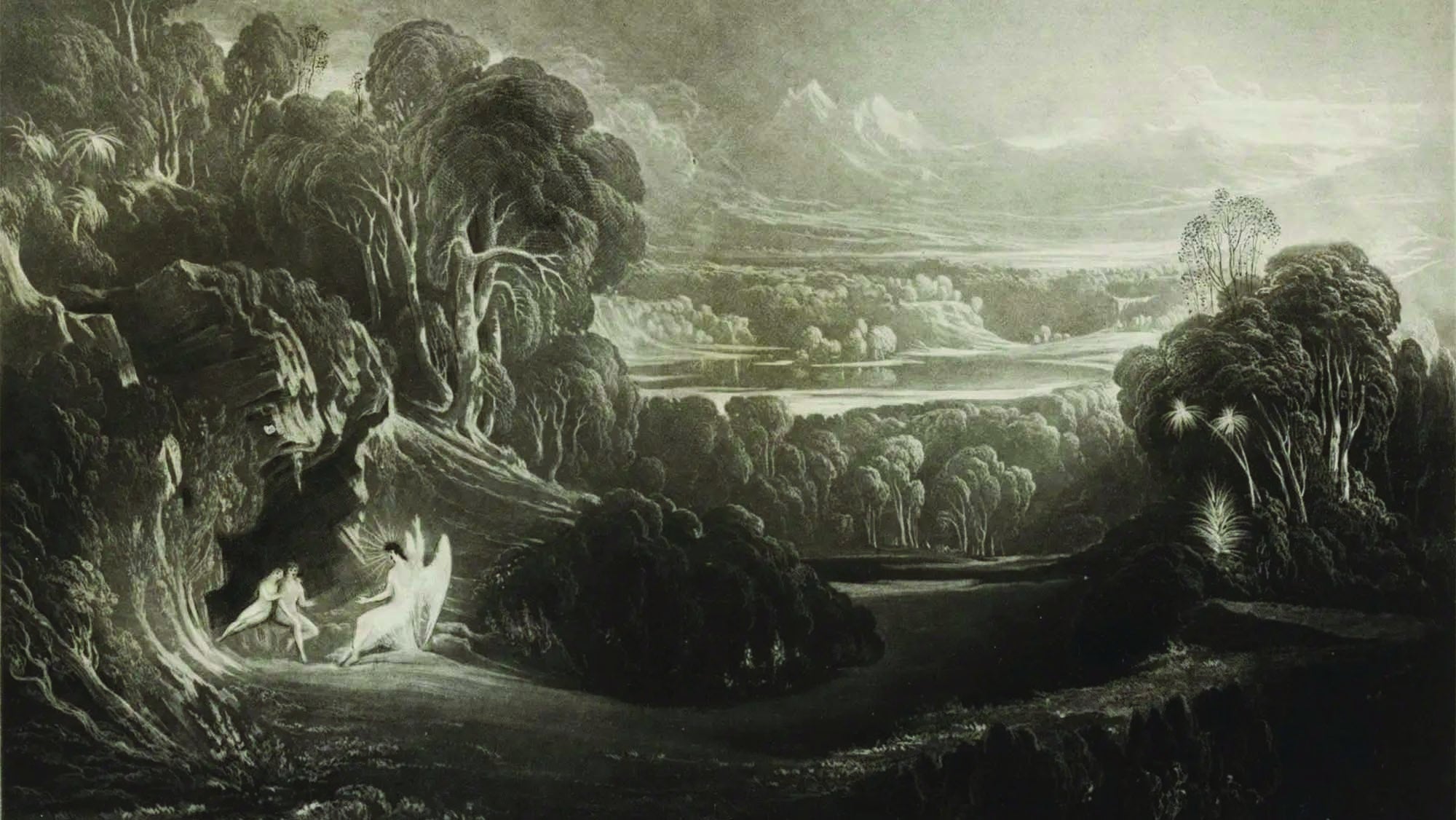

Alan Jacobs’s Paradise Lost: A Biography offers a compelling reexamination of John Milton’s epic poem, situating it at the intersection of literary brilliance, theological conviction, and political upheaval. Rather than offering a traditional biography of Milton himself, Jacobs presents a biography of the poem—tracing its origins, intellectual underpinnings, and continued resonance across time.
The book begins by painting a vibrant picture of 17th-century England, an era characterized by civil conflict, the breakdown of the monarchy, the emergence and decline of the Puritan Commonwealth, and the subsequent return of the monarchy. Milton, who was a fervent republican and dedicated Protestant, experienced this period of political and spiritual upheaval. Jacobs illustrates how these occurrences directly shaped the themes and tone of Paradise Lost, particularly its focus on rebellion, divine justice, and human liberty.
Jacobs’s biography primarily examines how Milton transformed the classical epic form. Inspired by the works of Homer and Virgil, Milton composed a poem that transitions from martial heroics to a metaphysical battle. In Paradise Lost, the primary clash isn’t between nations or empires; instead, it’s among celestial entities and the destiny of creation. Jacobs investigates how Milton employed blank verse, deep theological discussions, and psychologically nuanced characters—especially Satan—to produce a literary piece of vast breadth and aspiration.
Jacobs delves into the poem’s ethical and spiritual aspects thoroughly. Essentially, Paradise Lost endeavors to “justify the ways of God to man,” as Milton famously states. Jacobs explores the philosophical inquiries that drive the poem: the concept of free will, the repercussions of disobedience, the possibility of redemption, and the equilibrium between divine power and human choice. By meticulously examining significant sections, Jacobs demonstrates how Milton investigates these themes with intellectual depth and poetic elegance.
What distinguishes this biography is Jacobs’s ability to approach Milton’s religious commitments with seriousness and empathy, without ever losing sight of literary analysis. He neither reduces Milton’s beliefs to abstract doctrine nor treats them as untouchable dogma. Instead, Jacobs presents Milton’s faith as a genuine intellectual pursuit—one that shaped every line of Paradise Lost and influenced how readers across centuries have responded to it.
Jacobs presents complex theological and historical content in an understandable manner, without dilution, through writing that is clear, succinct, and lively. The story unfolds with direction, leading audiences through the poem’s evolution, organization, and impact. Instead of using heavy scholarly terminology, Jacobs opts for a clear manner that welcomes rather than overwhelms. This style renders the biography beneficial for both those new to Milton and seasoned readers looking for a more profound connection.
One of the most insightful parts of the book is its exploration of the poem’s legacy. Jacobs traces how Paradise Lost was received in Milton’s time and how its reputation evolved over the centuries. He highlights reactions ranging from early admiration and discomfort to the later fascination of Romantic poets like William Blake, who viewed Milton as being “of the Devil’s party without knowing it.” By chronicling these shifts in interpretation, Jacobs shows how Paradise Lost has remained a living text, constantly reinterpreted by each generation.
Jacobs also addresses the tension within the poem’s portrayal of Satan. Often viewed as one of the most vivid and rhetorically persuasive characters in literature, Satan has been admired by some readers as a symbol of rebellious strength. Jacobs navigates this complexity without reducing it to a simple contradiction. He argues that Milton’s Satan is powerful not because the poet secretly sympathized with him, but because Milton understood the seductive appeal of pride and ambition—and chose to confront it head-on.
The biography does not shy away from Milton’s contradictions. Jacobs acknowledges the poet’s political extremism, his sometimes rigid theological positions, and the fact that he wrote his greatest work while blind and often isolated. Yet rather than undermining Milton’s achievements, these traits add layers of depth to his character and to the poem itself. Jacobs presents Paradise Lost as the product of a lifetime of intellectual wrestling, artistic discipline, and personal conviction.
As the narrative unfolds, Jacobs delves into the intricate technical skills involved in Paradise Lost. The poem’s construction, rhythm, and innovative style demonstrate Milton’s remarkable linguistic prowess. Jacobs emphasizes how edits throughout the years influenced the final form of the poem, underlining that Paradise Lost was not solely the product of divine inspiration but also of diligent and continuous work.
By the conclusion of Jacobs’s life story, readers gain a fresh appreciation for the significance of Paradise Lost. The celestial conflict depicted in the poem between heavens and infernos acts not just as a religious allegory but as a mirror to human traits—our potential for loyalty and rebellion, submission and aspiration. Jacobs proposes that the lasting impact of the poem is rooted in its resonance with these timeless challenges.
Importantly, Jacobs doesn’t offer definitive answers to the many questions Paradise Lost raises. Instead, he invites readers to wrestle with them, just as Milton did. This openness gives the biography a rare quality: it respects the intelligence of its audience while also encouraging reflection, dialogue, and further reading.
Ultimately, Paradise Lost: A Biography goes beyond merely analyzing a poem; it reflects on the process of creating, trusting, and persevering throughout time. Jacobs vividly brings forward Milton’s era without eclipsing the poem’s essence. His work serves as an insightful partner to one of the paramount masterpieces in the English language, reminding us why a struggle between heaven and hell continues to captivate present-day audiences with intense relevance and impact.