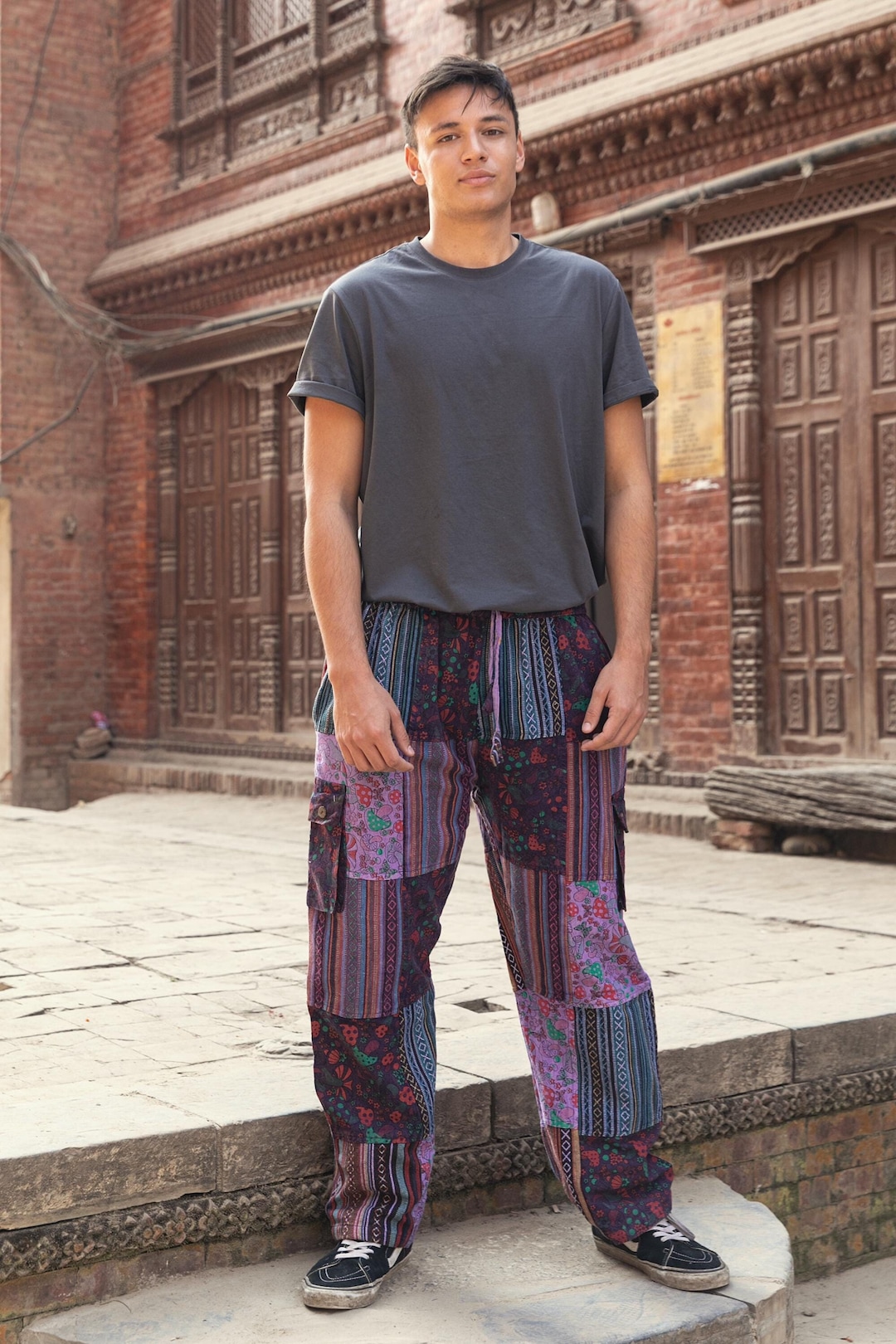

The integration of Artificial Intelligence (AI) into the fashion industry is transforming the way fashion is designed, promoted, and purchased, as predictive analytics and virtual fitting rooms increasingly reshape this dynamic field, enabling fashion brands that adopt AI-driven solutions to secure a competitive advantage by delivering more distinctive and personalized customer experiences.
Artificial Intelligence and Advances in Creative Design
AI’s influence on fashion now starts at the design phase, where creativity once depended almost entirely on human intuition. With AI, designers increasingly draw on algorithms to spark ideas and broaden their creative range. By examining extensive datasets that span historical style movements, social media activity, and consumer behavior, AI tools deliver insights that shape the design journey. This data-guided method allows designers to anticipate future trends and select styles with a stronger likelihood of success.
Companies like IBM have developed AI tools that collaborate with designers. These systems can suggest patterns, colors, and styles based on consumer sentiment analysis from platforms like Instagram and Pinterest. As a result, designers are not only inspired by their creativity but also guided by data-driven insights, creating collections that resonate more powerfully with the target audience.
Elevated Customer Experience Driven by Personalization
Personalization is becoming increasingly crucial in fashion retail, and AI is at the forefront of delivering bespoke customer experiences. From AI-driven chatbots capable of understanding and responding to customer inquiries, to personalized recommendation engines, AI enhances consumer interaction significantly.
Take the example of the Swedish fashion retailer H&M, which leverages AI to analyze data from customer’s purchase history and browsing behavior. The AI system then recommends products that align with individual preferences, leading to increased sales and customer satisfaction. Similarly, AI-powered styling apps allow users to upload photos and receive personalized outfit suggestions, further elevating the shopping experience.
Virtual Fit Technology
One of the long-standing challenges in fashion retail has been ensuring the right fit for customers, particularly in online shopping, where size discrepancies are frequent. AI-driven virtual fitting rooms are emerging as a solution to this issue. These tools use advanced image recognition and machine learning algorithms to predict how garments will fit on different body types. Customers can visualize how clothing items appear on their own bodies before making a purchase, thus reducing return rates and enhancing customer satisfaction.
For example, True Fit, an AI platform, develops a complete solution by generating a digital twin of each shopper, and size and fit recommendations are delivered by assessing body metrics and purchase history, which helps diminish uncertainty and strengthens consumer trust in online retail.
Eco-Friendly Approaches to Fashion
As sustainability demands intensify across the fashion sector, AI is becoming essential. Through AI-driven tools, fashion companies streamline their supply chains, cutting waste and curbing overproduction. These intelligent systems forecast demand with notable precision, helping limit surplus inventory and lowering the environmental burden created by unsold items.
Additionally, AI technologies are driving advances in fabric development. Start-ups like Bolt Threads are applying AI to craft bioengineered textiles that resemble silk and leather, delivering sustainable options to replace conventional materials. This progress not only supports environmentally minded principles but also paves fresh paths for creative expression across the industry.
How AI Influences Modern Marketing and Predicts Emerging Trends
In marketing, AI systems analyze consumer behavior and preferences to craft targeted campaigns. These insights guide the creation of content that speaks directly to the desires and interests of various demographic segments. Brands can predict and respond to emerging trends dynamically, staying relevant in a fast-paced market.
Furthermore, trend forecasting companies such as WGSN utilize AI to sift through social media, search data, and fashion shows, identifying patterns and predicting the next big trends. This information is invaluable for brands seeking to stay ahead of the curve and adapt their strategies accordingly.
Reflecting on the myriad ways AI is integrated into the fashion industry, it is evident that artificial intelligence is not merely an ancillary tool but a transformative force. By enhancing creativity, personalizing customer interactions, offering sustainable solutions, and optimizing marketing strategies, AI drives innovation and growth in fashion. As AI technology continues to advance, its influence will only deepen, crafting a dynamic and responsive fashion landscape that is more attuned to consumer needs and environmental responsibilities.