
Throughout the ages, male artists have frequently been highlighted, overshadowing numerous innovative female creators. Even though they have made remarkable contributions, women have often been overlooked in exhibitions, academic materials, and scholarly discussions. Nevertheless, many of these women were not merely contributors to the artistic movements of their day—they were trailblazers, exploring form, color, ideas, and methods well ahead of when their male peers gained recognition for comparable breakthroughs.
The 20th century witnessed a gradual shift in how women were perceived in the world of fine art, but this recognition came slowly and unevenly. Women artists pushed boundaries, broke norms, and expanded the definitions of visual expression, yet they rarely received the attention they deserved during their lifetimes. Today, a growing number of curators, collectors, and scholars are revisiting these overlooked figures, giving them the credit long denied.
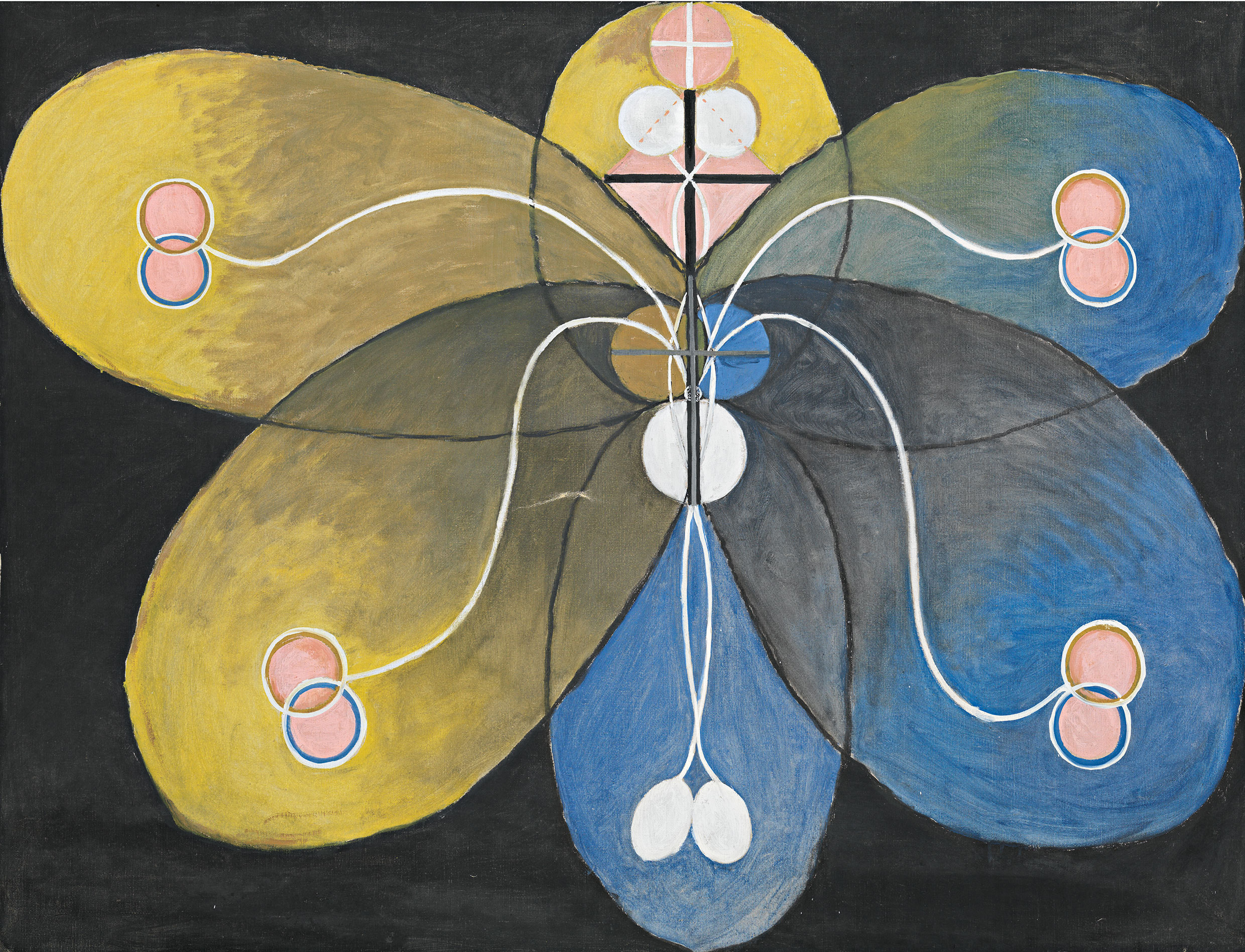
Think of Hilma af Klint, a Swedish artist whose abstract pieces came before those of Kandinsky and Mondrian by several years. Her expansive, brightly hued paintings featured spiritual and philosophical symbols, paving the way for non-figurative art that would not be recognized until many years later. Af Klint’s artworks, produced in seclusion and kept secret for years as per her wishes, are now seen as essential in analyzing the origins of abstraction.
Similarly, the American artist Alice Neel challenged the mid-20th century modernism’s trend of cold detachment by focusing on intense, emotional portraits. During a period when abstract expressionism was prevalent in New York’s art scene, Neel stayed true to figurative art. Her paintings vividly depicted the essence of her subjects, frequently featuring political activists, artists, and ordinary individuals, emphasizing both their uniqueness and common humanity. It was only in the latter part of her life that her art started to receive the acknowledgment it rightfully deserved.
Another overlooked innovator was Japanese-American sculptor Ruth Asawa, who created intricate wire sculptures that blurred the line between craft and fine art. Her delicate forms floated in space, casting mesmerizing shadows and offering a new language of movement and structure. Despite her accomplishments and involvement in civic arts education, Asawa’s contributions were marginalized for years, dismissed in part because of the medium she chose and the gendered perceptions of domestic artistry.
In Latin America, creatives like Lygia Clark and Mira Schendel rose to prominence as essential figures in the avant-garde scene. Clark’s engaging, participatory creations reshaped the dynamic between creator and observer, whereas Schendel’s probing into language, substance, and structure pushed the boundaries of visual depiction. Both individuals were integral to the artistic and intellectual currents in Brazil during the mid-20th century, but global acknowledgment came much later, well after their passing.
Artists like Lee Krasner, long overshadowed by her husband Jackson Pollock, also warrant reappraisal. Krasner was a formidable talent in her own right, whose rigorous approach to composition and bold, gestural brushwork contributed greatly to abstract expressionism. Her work not only stood independently of her husband’s legacy but also evolved in complex and deeply personal directions over time.
It’s essential to understand that many of these women were not merely adding to existing traditions—they were forging new paths. Their innovations arose from distinct lived experiences and often reflected broader societal struggles, including issues of gender, identity, displacement, and inequality. The marginalization they faced was not only institutional but cultural, embedded in the way art was taught, exhibited, and critiqued.
The renewed enthusiasm for these female artists goes beyond restoring historical fairness. It transforms our perspective on the history of art as a whole. By reassessing the art canon to incorporate these individuals, we acknowledge that the development of modern and contemporary art was much more varied and energetic than once recognized.
Museums and galleries have a critical role to play in this recalibration. In recent years, there have been increased efforts to highlight the works of underrecognized women through retrospectives, acquisitions, and re-curated permanent collections. Yet, systemic change remains slow. A 2022 report revealed that less than 15% of works in major museum collections in the United States were by women artists—a figure that illustrates how much ground still needs to be covered.
Educational institutions also bear responsibility. Art history curricula must move beyond token inclusion to fully integrate the contributions of women as central to the narrative of artistic development. This includes addressing the intersectionality of race, class, and geography that further complicates the experiences of many women artists.
Art markets, too, are beginning to correct past oversights. Works by previously underappreciated women have begun fetching record prices at auctions, and younger collectors are increasingly seeking out pieces by female artists. While financial recognition alone cannot undo decades of neglect, it does play a role in reshaping perceptions and elevating the visibility of these artists.
Importantly, the current generation of creators keeps finding inspiration from the achievements of these pioneers. Their narratives not only highlight the struggles encountered by women in artistic areas but also affirm the strength, foresight, and ability of creative expression to overcome obstacles.
In recognizing the women who were pioneers, the art community embraces a fuller and more truthful history—one that embraces all perspectives and celebrates the breakthroughs driven by bravery, defiance, and an unwavering search for artistic authenticity.