
The Contemporary Musical Transformed: The Influence of ‘La La Land’
When La La Land premiered in 2016, it captured the world’s imagination with vibrant color, infectious jazz, and bittersweet romance. While its nostalgia for Hollywood’s golden era was apparent, the film also made a substantial contribution to the evolution of the modern musical. Beyond aesthetic flourishes and star power, La La Land introduced bold structural, thematic, and technical innovations that impacted both filmmakers and audiences.
Reviving the Song-and-Dance Tradition
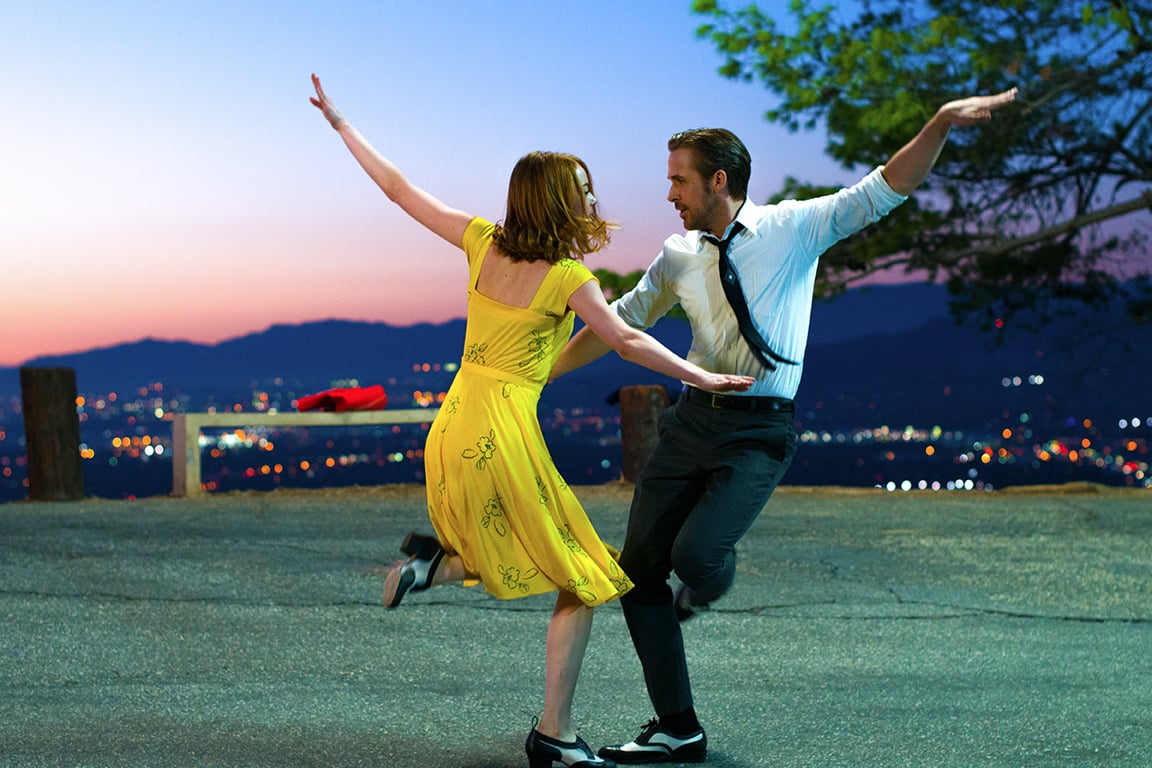
Musicals had gradually retreated from mainstream cinema, with few breaking through between the late twentieth and early twenty-first centuries. La La Land reignited public appetite for the genre by embracing classic tropes—spontaneous street performances, fantasy sequences, and ensemble numbers. The film’s opening, “Another Day of Sun,” immediately conjured memories of earlier musical spectacles with its sweeping camera movement across a Los Angeles freeway. However, director Damien Chazelle modernized the form with single-take choreography, integrating the bustle of contemporary city life rather than confining action to sound stages. This urban realism, tied intricately to the music, made song-and-dance central not merely as spectacle but as a language for character expression.
A New Kind of Musical Narrative
Rather than following a purely optimistic trajectory, La La Land explored ambition, compromise, and the bittersweet cost of dreams. The narrative structure upends expectations: while it delivers moments of euphoric joy, the film culminates in an alternative-reality montage, facing the heartbreak of what could have been. By doing so, Chazelle challenged the tidy resolutions of classic musicals, infusing contemporary emotional complexity. Critics and audiences alike noted how numbers like “City of Stars” or “Audition (The Fools Who Dream)” deepen the narrative rather than serving as interludes, merging plot with music emotionally and thematically.
Narration through Imagery and Filmic Methods
La La Land elevated its storytelling through distinctive visual language. Cinematographer Linus Sandgren employed bold primary colors reminiscent of Technicolor films, but harnessed digital technology and innovative lighting to evoke mood and memory. The film’s use of long takes in dance sequences, practical sets on location, and homage-laden visual cues expanded the musical idiom for a new generation. For instance, the planetarium dance is both a tribute to the fantasy ballets of Vincente Minnelli and a contemporary expression of limitless aspiration. Such sequences benefit from digital effects not as spectacle, but as tools to heighten emotion.
The Role of Music and Sound in Character Development
Composer Justin Hurwitz, along with lyricists Benj Pasek and Justin Paul, created a musical experience that honors jazz and classic show tunes while also integrating modern musical influences. The music in the film often blurs the lines between diegetic and non-diegetic elements: characters perform for audiences within the story and for their own personal expression, providing insight into their mental states. An example is Mia’s audition song, which shifts from a narrative element to a source of personal release, giving the audience a glimpse into her internal struggles. Sebastian’s deep engagement with jazz illustrates the balance between maintaining tradition and embracing new ideas, mirroring the film’s own blend of genres.
Social and Cultural Resonance
La La Land found resonance beyond cinephile circles, becoming a cultural touchstone worldwide. Its success at the box office—exceeding $440 million globally—and its sweep of awards, including six Academy Awards, signaled renewed viability for original musicals in the mainstream. The film’s setting in multicultural Los Angeles, with a globally diverse supporting cast and an embrace of immigrant ambition, positioned it as a universal story even as it dramatized specifically American dreams. In education and community theatre, the film’s influence is evident in the growing selection of contemporary musicals with original scores, movement-based staging, and realistic character arcs.
Legacy: Inspiring a New Creative Wave
Since La La Land, several musicals have been released targeting comparable artistic and commercial success, including The Greatest Showman, Mary Poppins Returns, and In the Heights. Streaming services have also started funding musical productions, while prominent award organizations have shown greater openness to the genre. Experts and reviewers observe that the movie’s ability to merge nostalgia with innovation established a benchmark, showing that musicals can thrive in the market while maintaining artistic goals and modern significance.
A Reflective Synthesis
La La Land made a significant impact on the language and heritage of contemporary musicals. Its technical brilliance, genuine emotion, and openness to merging the classic with the contemporary established it as a standard for creativity in a genre historically characterized by tradition. Instead of simply honoring bygone eras, the movie broadened the musical’s lexicon for an evolving media environment—encouraging both creators and viewers to explore once again the enchantment and significance of narratives conveyed through music and dance.