
What was once a symbol of bedtime ritual has taken a bold leap into the world of everyday fashion. Nightgowns, long associated with comfort, softness, and the sanctuary of sleep, are now making frequent appearances far beyond the bedroom. Across urban streets, casual gatherings, and even formal events, people are embracing nightgown-inspired looks as part of their daily wardrobes—a shift that reflects both a cultural and stylistic evolution in how clothing is perceived and worn.
The transformation of nightgowns into attire suitable for any time of day is more than a fleeting trend. It forms a significant part of a wider trend that combines comfort with adaptability, merging the boundaries between indoor and outdoor clothing. Previously reserved for peaceful nights and relaxed mornings, these garments, originally considered fragile, are now being reinvented as personal fashion statements, seamlessly moving from relaxing at home to being worn for brunch or professional meetings.
This change is influenced by multiple linked trends. Primarily, there is an increase in»comfort dressing»—a fashion philosophy that became very popular during the worldwide pandemic, as remote work and prolonged indoor stays altered fashion preferences. Individuals started favoring clothes that provided freedom of movement and tranquility. Nightgowns, typically crafted from airy fabrics like cotton, linen, or silk, effortlessly met this need. As people became used to experiencing comfort in their attire, the desire for clothing that combines tenderness with elegance surged.
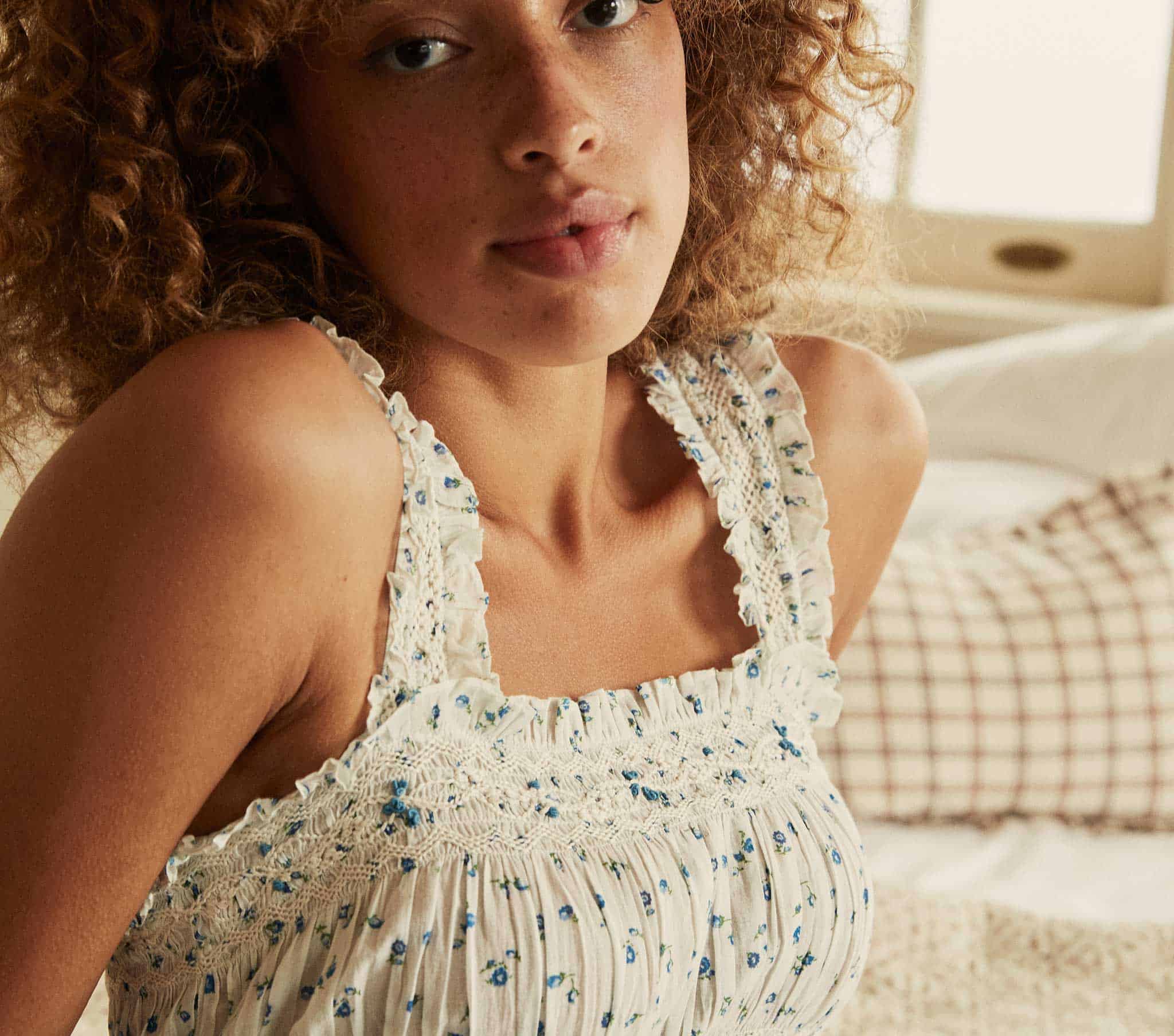
But comfort alone doesn’t explain the newfound popularity of nightgowns in the daylight. Designers and influencers have played a major role in elevating the aesthetic appeal of sleepwear-inspired fashion. Luxury labels and emerging brands alike have introduced nightgown silhouettes with structured tailoring, elevated fabrics, and thoughtful detailing, making them suitable for a wide range of settings. Lace trims, embroidery, smocked bodices, and voluminous sleeves are just some of the elements being reinterpreted to suit modern tastes.
The influence of social media, particularly platforms like Instagram and TikTok, has further propelled the nightgown renaissance. Style-conscious users showcase how a well-chosen nightgown can be paired with boots, belts, denim jackets, or statement jewelry for a look that’s chic, effortless, and distinctively personal. The visual storytelling of these platforms helps redefine expectations around where and how nightgowns can be worn, turning what might once have been considered dressing down into a confident fashion statement.
Historical fashion references also play a role in the current trend. The romantic silhouettes of 19th-century dressing gowns and Edwardian lace nightdresses are being revisited with a contemporary twist. These styles evoke nostalgia while simultaneously offering timeless elegance. The appeal of vintage nightgowns, often found in thrift shops or passed down through generations, adds another layer of individuality and sustainability to the trend. Wearing a repurposed heirloom piece not only reduces environmental impact but also connects wearers with the stories of the past.
The growing popularity of «nap dresses»—a modern, daytime-friendly iteration of the traditional nightgown—exemplifies how the concept has gone mainstream. Coined and popularized by brands like Hill House Home, the nap dress is designed to be both comfortable enough to sleep in and stylish enough to wear out. It typically features flowing lines, breathable fabric, and feminine details, offering a silhouette that flatters a variety of body types and fits seamlessly into relaxed or semi-dressy environments.
This intersection of utility and beauty is a hallmark of the broader shift in contemporary fashion, where functionality no longer precludes elegance. Today’s consumers are drawn to pieces that can adapt to different moods and moments. A nightgown worn to run errands in the morning might be dressed up with heels and a tailored blazer for an evening out—proving that the same garment can span multiple uses with just a few styling changes.
Retailers have recognized the growing interest, prompting both popular and boutique fashion brands to broaden their collections to feature sleepwear-inspired clothing that can be worn during the day. The selection of fabrics varies from light cottons perfect for warmer months to luxurious velvets and satins that easily adapt to cooler weather. The variety in pricing also caters to a wide audience, from those mindful of their budget to those who prefer luxury options.
Of course, not everyone is quick to embrace the idea of nightwear in the public sphere. For some, the blurring of lines between sleepwear and streetwear challenges long-held norms about how people should dress in different contexts. Yet fashion has always been about transformation and boundary-pushing. What feels unconventional today often becomes tomorrow’s standard, especially when fueled by creativity, practicality, and cultural shifts.
From a psychological standpoint, wearing nightgown-like outfits in daylight hours could also symbolize a widespread yearning for comfort amid times of uncertainty. Clothes that offer a gentle touch and unrestricted movement can bring about a soothing feeling, serving as a quiet form of self-nurture. In this manner, fashion transcends mere appearance—it turns into an experience that is tactile, emotional, and profoundly individual.
Long silk or satin dresses are gaining popularity in both formal and business environments. Paired with suitable accessories and stylish elements, they are transformed into eveningwear or even office attire with the addition of tailored jackets or waist-cinching belts. This trend is not about dismissing traditional standards, but rather redefining them—proving that comfort and elegance can coexist harmoniously.
The changing function of the nightgown in the current fashion scene highlights the continuous transformation of clothing through cultural influences, situational shifts, and personal creativity. Once only associated with sleep, it has now evolved into a platform for showcasing expression, flexibility, and ingenuity. As more individuals embrace this trend, the nightgown transitions from its solely intimate persona to represent contemporary comfort and everlasting allure.
The inquiry isn’t about why individuals are donning sleepwear beyond the bedroom—it’s about why it took such a long time for them to become a daily essential. As the limits of fashion keep evolving, the shift of the nightgown from the bedroom to the street signifies a wider transformation in our perception of comfort, beauty, and personal expression in our clothing choices.